Part One: African Hair Systems Before Enslavement
Braiding, Locs, and Community Knowledge
Before enslavement, African hair care was not improvised, decorative, or trend-based. It was shared community knowledge, developed over generations and practiced collectively.
Hair was not treated as a personal accessory. It was part of how communities functioned.
Grooming took place in shared spaces — among family members, elders, and peers. Children learned by watching long before they were expected to participate. Techniques were corrected through repetition and observation, not instruction manuals. Hair was cared for slowly, intentionally, and with awareness of one’s place in the community.
This mattered because African societies relied heavily on visual recognition. People needed to understand who someone was, how to approach them, and what role they held — often before a word was spoken.
Hair helped do that work.
Hair as Social Infrastructure
Braids, twists, locs, and wraps were not aesthetic trends. They were part of a system.
Hair could communicate:
Age and life stage
Family or clan belonging
Marital status
Social standing
Spiritual dedication
Styles changed as people moved through life. Children’s hair did not resemble adults’ hair. Certain styles appeared only after rites of passage. Others were reserved for spiritual leaders or specific community roles.
Hair made transition visible.
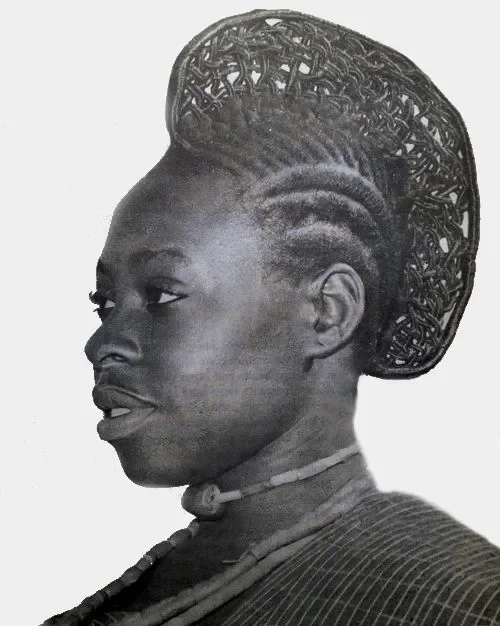
Traditional African Braiding
Traditional African braiding patterns showing intentional sectioning, symmetry, and repetition. These styles functioned as social identifiers, communicating age, belonging, and life stage long before Western cosmetology systems existed.
Hair Care as Taught Knowledge
Hair care knowledge did not belong to specialists or institutions. It belonged to the community.
There were no licenses or formal schools. Knowledge moved through:
Observation
Participation
Correction
Repetition
Elders demonstrated. Younger members practiced. Mistakes were adjusted, not shamed.
Knowing how to care for hair was not considered a talent — it was a basic competency, like cooking, farming, or child care. To know hair was to know people.
This communal model meant hair care was relational. You could not rush it without consequence. You could not isolate it from trust.
Locs Were Intentional, Not Neglect
Locs are often misunderstood through modern bias. Historically, they were not accidental or unmanaged.
In many African societies, locs were deliberately cultivated through:
Controlled separation
Wrapping
Oiling
Limited manipulation
They were maintained with intention and restraint. In some contexts, locs signified spiritual devotion or long-term commitment to a role or path. In others, they reflected age, status, or ritual participation.
The defining feature of locs was not neglect — it was discipline.
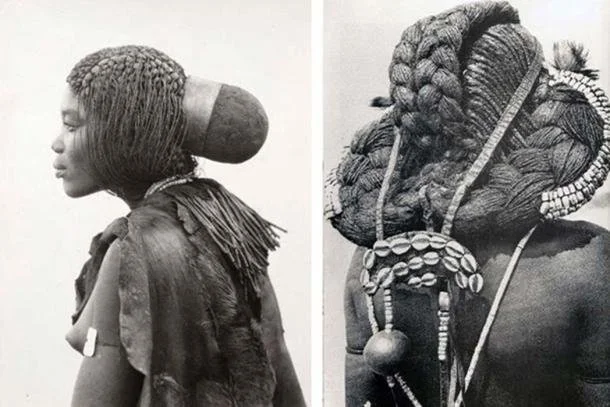
Traditional locs worn intentionally within African cultural and spiritual contexts. These styles were cultivated through controlled maintenance, not neglect, and often held ceremonial significance.
Communal Grooming as Social Bond
Hair grooming was often done together.
Braiding, twisting, and wrapping were moments of connection. They reinforced kinship, trust, and belonging. Grooming allowed for conversation, teaching, and care — especially between generations.
This mattered psychologically as much as practically. Hair care reinforced the idea that a person was seen and known within the group.
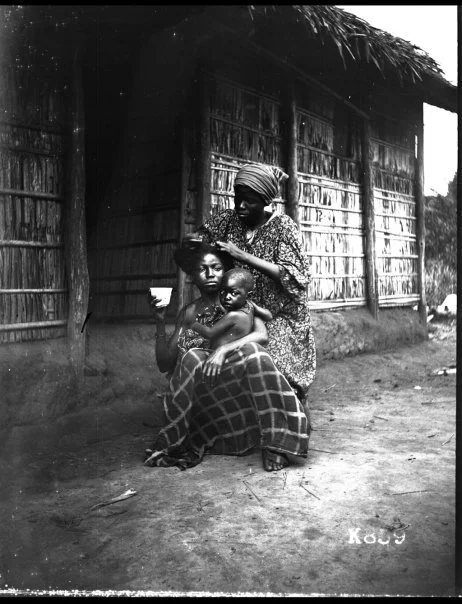
Communal hair grooming in African societies. Hair care knowledge was passed through observation and participation, reinforcing grooming as shared responsibility rather than individual expression.
Caption:
Communal hair grooming in African societies. Hair care knowledge was passed through observation and participation, reinforcing grooming as shared responsibility rather than individual expression.
Source link:
https://africa.si.edu/collections/
(Search: hair, grooming, braiding)
A Visual Language, Not a Trend
These systems were not informal or chaotic. They were regulated by shared norms.
Certain styles were expected at certain times. Others were inappropriate outside specific contexts. Hair functioned as a visual language — one that allowed people to navigate social space efficiently and respectfully.
This is what makes later disruption so significant.
When hair systems were broken, it was not just appearance that was affected. It was recognition, continuity, and social coherence.